
REGENERATIVE MEDICINE

Platelet-Rich Plasma (PRP) Treatment

A curative, non-surgical therapy that uses your own blood cells to accelerate healing and rejuvenate damaged tissue — harnessing the natural properties of your bloodstream to address a wide range of injuries and joint conditions.

WHAT IS PRP?

Your body's own healing, concentrated.

At Southwest Spine we offer PRP therapy as a curative solution that uses your own blood cells to enhance recovery and rejuvenate damaged tissue. The high concentration of growth factors in PRP speeds up the body’s natural healing process, reducing pain and inflammation in the treated area.

THE PROCESS

How PRP Treatment Works

Blood Draw

We draw a small volume of your own blood — no donor materials, no synthetic drugs.

Centrifugation

The sample spins at high speed for about 10 minutes to concentrate the platelets.

Plasma Isolation

The platelet-rich middle layer — packed with growth factors — is drawn off and prepared.

Targeted Injection

The concentrated plasma is injected into the injured tissue to jump-start repair.

WHAT TO EXPECT

A Real Patient's PRP Journey

Follow David — treated at Southwest Spine for a slow-healing shoulder injury — through every step of his PRP experience.

VIDEO 1

Consultation & Blood Draw

David, being treated for a slow-healing shoulder, meets with Chelsie who walks him through the PRP process before drawing a small blood sample.

VIDEO 2

Blood Centrifugation Process

Chelsie spins David’s blood at high speed for about 10 minutes to separate red blood cells from the platelets.

VIDEO 3

Injection Preparation & Diagnosis

Dr. Scott Taylor explains the platelet-rich layer, growth factors, and how the injection will treat David’s partial labral tear.

VIDEO 4

Post-Injection Reactions

David reports the injection itself was painless and is advised to keep gently exercising the shoulder.

VIDEO 5

Day 1 — Notable Improvement

One day later David has improved mobility and less pain, raising his arm in ways that previously hurt.

VIDEO 6

One Week After PRP

A week out, David shares impressive results — playing volleyball pain-free and highly recommending PRP for slow-healing injuries.

APPLICATIONS

Conditions Treatable with PRP

Follow David — treated at Southwest Spine for a slow-healing shoulder injury — through every step of his PRP experience.
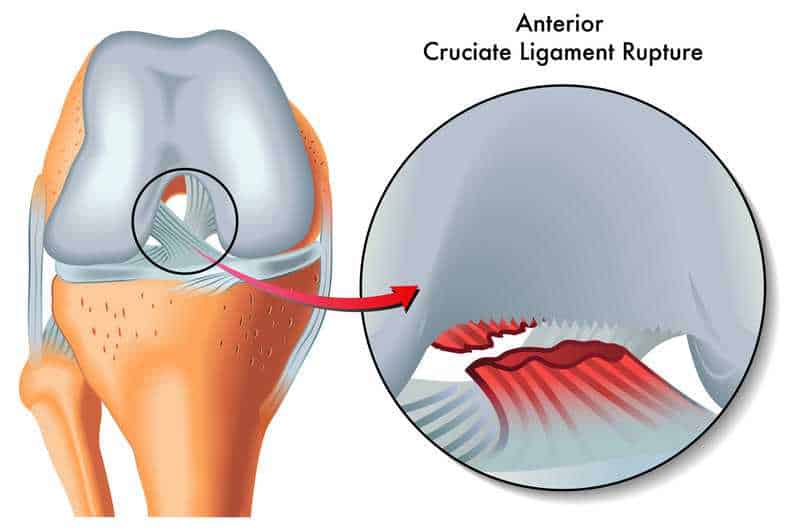
Medical illustration of an anterior cruciate ligament (ACL) tear showing a ruptured knee ligament with a magnified view of the injury.

Osteoarthritis

Reduce inflammation and promote new cartilage growth in the knee, hip, shoulder, and spine — easing pain and improving joint function.
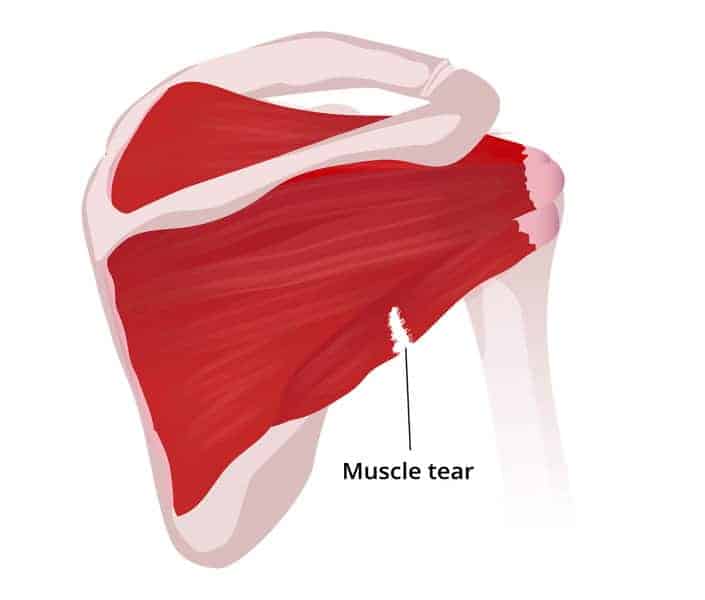
Medical illustration of a rotator cuff tear showing a torn shoulder muscle and tendon with detailed shoulder anatomy.

Rotator Cuff Tears

Growth factors in PRP stimulate healing of the muscles and tendons that stabilize the shoulder, reducing pain with movement.
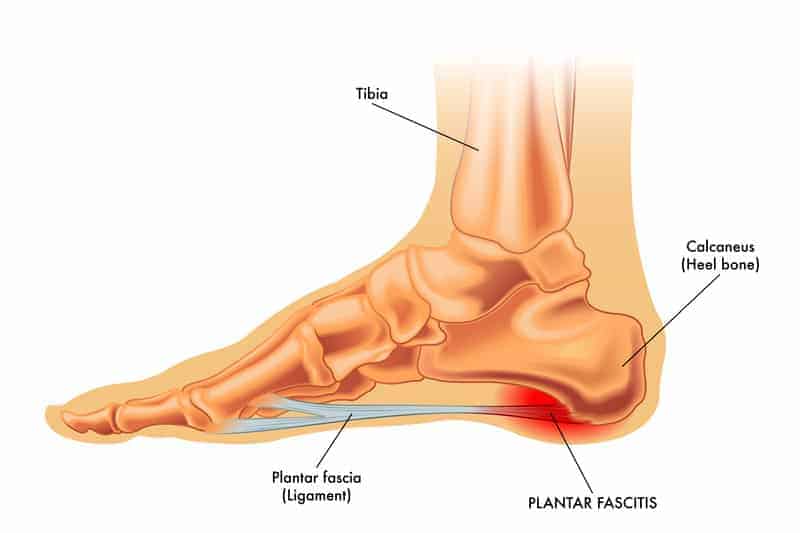
Medical illustration of plantar fasciitis showing inflammation of the plantar fascia ligament near the heel bone with labeled foot anatomy.

Chronic Plantar Fasciitis

Heal the inflamed fascia along the bottom of the foot, reducing heel pain and restoring day-to-day function.
Medical illustration of an anterior cruciate ligament (ACL) tear showing a ruptured knee ligament with a magnified view of the injury.

ACL Injuries

Accelerate healing of the anterior cruciate ligament through targeted tissue regeneration — restoring knee stability.
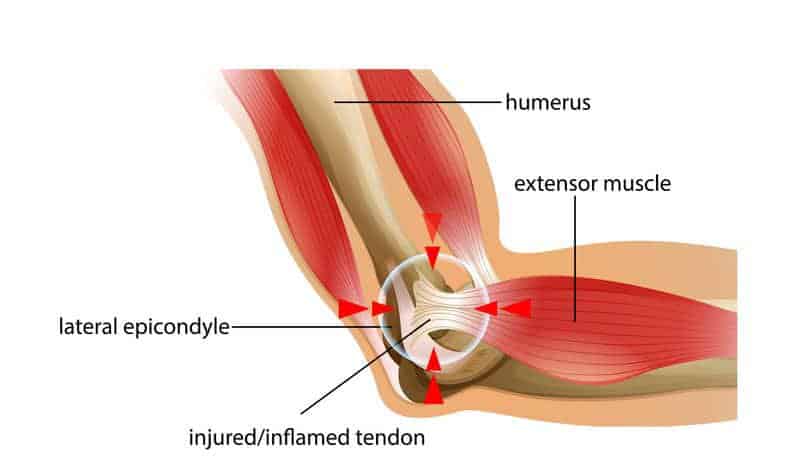
Medical illustration of tennis elbow showing an inflamed tendon at the lateral epicondyle with labeled elbow anatomy.

Tennis Elbow

Repair overuse damage to the elbow tendons, reducing pain and improving the ability to use the arm and hand.
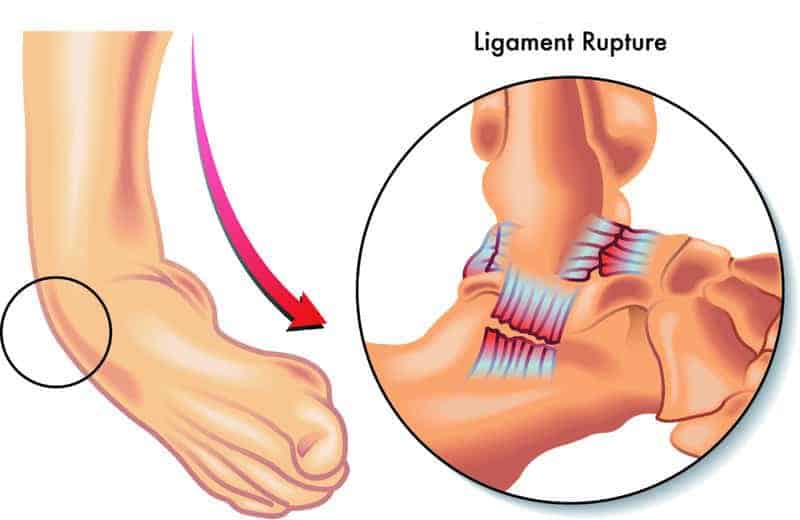
Medical illustration of an ankle ligament tear showing a ruptured ankle ligament with a magnified view of the injury.

Ankle Sprains

Promote healing in the ligaments of the ankle, reducing pain and swelling and restoring the ability to bear weight.
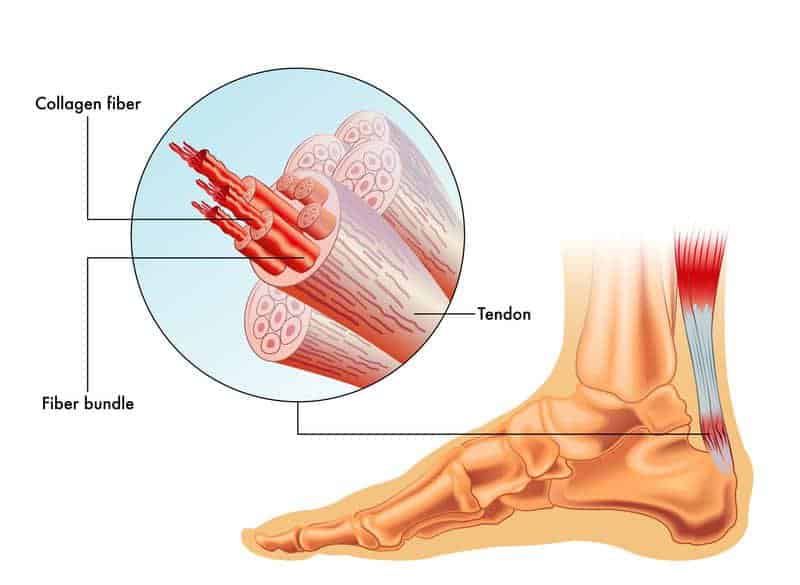
Medical illustration of the Achilles tendon showing tendon structure and collagen fibers connecting the calf muscles to the heel bone.

Tendonitis

Regenerate inflamed tendons in the elbow, knee, shoulder, or Achilles — reducing pain and restoring function.

WHY PRP

The Benefits of PRP Treatment

PRP treatment at Southwest Spine accelerates the repair of injured tissue, reducing pain and inflammation while improving function. It’s a versatile therapy — useful for a wide range of conditions from osteoarthritis and tendonitis to ligament sprains and muscle injuries.

Natural Healing

Uses your body’s own platelets — no donor materials, no synthetic drugs.

Accelerated Recovery

Concentrated growth factors speed the body’s natural repair timeline.

Less Pain & Inflammation

Calms the treated area while it heals, reducing chronic irritation.

Versatile

Works across joints, tendons, ligaments, and muscle injuries.

ALSO AVAILABLE

Other non-surgical, drug-free pain relief

If you’re looking for non-surgical, drug-free relief from your pain, schedule an appointment with Southwest Spine & Rehab today. We’re dedicated to helping patients achieve total body health and wellness. That’s why we work with you to resolve the issue that’s causing your pain, not simply hide it with medication.

HAVE MORE QUESTIONS?

Frequently Asked Questions

Yes, PRP treatment is generally considered safe as it uses the patient’s own blood, reducing the risk of allergic reactions or infections from donor biological materials.
A typical PRP treatment session takes about 60-90 minutes, including preparation, treatment, and recovery time.
The number of PRP treatments needed varies depending on the severity of the injury and the individual’s response to treatment. On average, 3-6 treatments are recommended.
PRP treatment is generally well-tolerated. However, as with any injection procedure, there is a small risk of infection, nerve damage, or increased pain.
Yes, PRP treatment can be used in conjunction with other treatments such as physical therapy, medication, and other non-surgical treatments.
Coverage for PRP treatment varies by insurance provider. It’s best to check with your insurance company to understand your coverage.
Most patients can return to work and normal activities immediately after PRP treatment. However, it’s recommended to avoid strenuous activities for a few days following the procedure.
If you’re suffering from a chronic injury or condition that hasn’t responded well to other treatments, PRP treatment may be a good option. However, it’s important to consult with a healthcare professional to determine if PRP treatment is right for you.

LET'S GET STARTED

Ready for non-surgical, drug-free relief?

Southwest Spine & Rehab is dedicated to helping patients achieve total body health — we work with you to resolve the issue that’s causing pain, not simply hide it with medication.